Choosing between SABnzbd vs NZBGet matters more than most folks realize. Back in the day, using Usenet meant spending hours manually unpacking, repairing, and organizing downloads. Today, tools like SABnzbd and NZBGet handle all of that for you. The hard part now? Choosing which one to use.
If you’re brand new to Usenet or building your first DIY media server, this decision matters more than it seems. Pick the wrong downloader, and you’ll end up fighting settings, broken automation, or maxed-out hardware. Pick the right one and Usenet becomes a true set-it-and-forget-it experience.
This guide breaks down the sabnzbd vs nzbget debate from a beginner’s point of view. I’ll focus on ease of setup, real-world performance, automation, and long-term support, so you can confidently choose the best NZB downloader for your setup in 2026.
What Are SABnzbd and NZBGet?
Before comparing them, let’s define what they are.
Both SABnzbd and NZBGet are NZB download managers, software that automates Usenet downloads.
They:
- Download files from Usenet using NZB files
- Repair missing parts with PAR files
- Unpack archives
- Rename and sort files
- Hand everything off to apps like Sonarr or Radarr
In short, they’re the backbone of any Usenet-based media server.
The difference is how they do it and how much effort they require from you. And, that effort adds up fast when you’re just trying to get things working.
SABnzbd vs NZBGet: Performance and System Requirements
Raw Speed and Resource Usage
Alright, this is the one area where NZBGet clearly wins.
NZBGet is written in C++, which makes it extremely efficient. It uses less CPU, less RAM, and generally downloads faster on the same hardware. Real-world reports show noticeable speed differences, especially during heavy post-processing like repairing and unpacking large files.
SABnzbd is written in Python. Python is easier to maintain and extend, but it costs more CPU cycles. During unpacking and repair, SABnzbd can briefly spike CPU usage, which matters on weaker systems.
Here’s the thing though, for most people, this doesn’t matter as much as you might think.
Decisions:
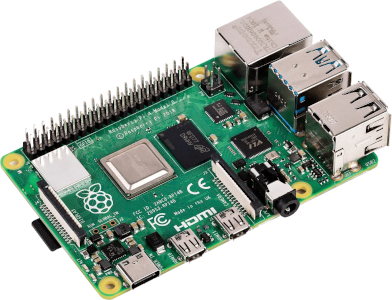
- If you’re running on a Raspberry Pi, older Intel CPU, or NAS hardware → Choose NZBGet
- If you have a modern mini PC, desktop CPU, or home server → Either works fine
Even low-end Intel N100 and Ryzen mini PCs handle SABnzbd without breaking a sweat. Hardware is no longer the bottleneck for most beginners.
Setup and Installation: NZBGet vs SABnzbd
SABnzbd: Built for Beginners
This is where SABnzbd earns its reputation.
On first launch, SABnzbd walks you through a clean setup wizard:
- Enter your Usenet provider
- Test the connection
- Pick download and completed folders
- Enable basic security options
You can be downloading within minutes, even if you’ve never touched Usenet before. The defaults are sensible, and most users never need to touch advanced settings.
NZBGet: More Control, More Work
NZBGet installs easily, especially via Docker or NAS app stores. The challenge comes after installation.
Many important behaviors require manual configuration:
- Paths
- Post-processing options
- Security settings
- Script behavior
None of this is impossible, but it assumes you know what you’re configuring and why. And honestly? When you’re just starting out, you probably don’t.
Example setup flow:
- SABnzbd: Install → Run wizard → Start downloading
- NZBGet: Install → Configure paths → Set up categories → Configure post-processing → Start downloading
See the difference? SABnzbd gets you downloading in three steps. NZBGet needs five, and each one requires you to understand what you’re doing.
Web Interface and Day-to-Day Usability
SABnzbd Interface
SABnzbd has one of the cleanest web interfaces in the Usenet world.
- Modern layout
- Clear queue view
- Multiple themes
- Easy access to logs and warnings
You always know what’s downloading, what failed, and why. For novices, this matters more than raw speed. Visibility prevents frustration.
I can’t tell you how many times I’ve avoided a headache because SABnzbd showed me exactly what went wrong instead of making me dig through logs.
NZBGet Interface
NZBGet’s interface is fast and minimal. It works well, but it assumes you already understand Usenet terminology.
It shines when customized with widgets and scripts, but out of the box it feels utilitarian rather than welcoming. NZBGet will get the job done, but you won’t enjoy looking at it.
Automation and Arr App Integration
SABnzbd: Plug and Play Automation
SABnzbd integrates seamlessly with:
- Sonarr
- Radarr
- Lidarr
No scripts required. You point the Arr apps at SABnzbd, map your folders, and you’re done.
Basic Sonarr integration:
Sonarr Settings → Download Clients → Add SABnzbd
Host: localhost
Port: 8080
Category: tv
Completed Download Handling: Enabled
SABnzbd also excels at:
- Handling obfuscated NZBs (those weirdly-named files that trip up other downloaders)
- Renaming files reliably
- Sorting downloads without manual rules
What success looks like: After adding SABnzbd to Sonarr, you’ll see a green checkmark in the download client settings. Your first episode will download, unpack, and appear in your media library without you touching anything.
NZBGet: Powerful but Script-Driven
NZBGet supports everything SABnzbd does, and often more, but frequently through scripts or additional configuration:
- Custom post-processing
- Advanced RSS filters
- RPC API access
Both tools integrate with Arr apps just fine. SABnzbd tends to work out of the box, while NZBGet may need category mapping or post-processing scripts for complex workflows.
Power Efficiency and Background Behavior
This is a subtle but potentially important difference for 24/7 systems.
SABnzbd uses iNotify on Linux systems, which allows it to detect new files instantly without constantly scanning folders. This can reduce background CPU usage and allows systems to sleep when idle.
NZBGet periodically rescans folders, which may:
- Prevent sleep modes
- Use more background CPU
- Increase power consumption on always-on systems
The real-world impact varies by system and configuration. On modern hardware, the difference is typically small but can add up over time on power-conscious setups.
If you’re running a home server 24/7 and care about your power bill, this is worth considering. Five watts here, ten watts there, it adds up over a year.
Long-Term Support and Updates
SABnzbd
- Frequent updates
- Active development
- Large user community
- Excellent documentation
From a stability and security perspective, SABnzbd is the safer long-term choice. When something breaks, SABnzbd usually has a fix within days.
NZBGet
NZBGet development slowed significantly after 2019, which raised concerns in the community. Development has recently picked back up under new maintainers, but the update cadence is still less predictable.
It remains stable and functional, but beginners typically benefit from active ecosystems. You want a tool that’s being actively maintained when you run into issues.
SABnzbd vs NZBGet Comparison Table
| Feature | SABnzbd | NZBGet |
|---|---|---|
| Performance | Higher resource usage | Extremely lightweight |
| Setup | Wizard-driven, beginner-friendly | Manual configuration |
| Interface | Polished and modern | Minimal and utilitarian |
| Automation | Plug and play | Script-based options |
| Power Efficiency | iNotify-based monitoring | Folder rescans |
| Updates | Frequent and consistent | Less predictable |
| Best For | New users, automation | Low-power hardware |
Troubleshooting Common Beginner Issues
Downloads Are Slow
- Check Usenet provider connection limits (most cap you at 20-30 connections)
- Verify SSL is enabled (it should be, but double-check)
- NZBGet may outperform SABnzbd on weak CPUs
Files Fail to Unpack
- Enable automatic repair and unpack (should be on by default in SABnzbd)
- Ensure enough free disk space (you need at least 2x the download size)
- Avoid moving files before post-processing finishes, let the downloader finish its job first
Sonarr or Radarr Cannot See Downloads
- Double-check folder mappings, especially in Docker (this trips up everyone at least once)
- Confirm completed download paths match Arr app settings exactly
High CPU Usage During Downloads
- Normal during unpacking, that’s just how PAR repair works
- Consider NZBGet if running on older hardware
- Schedule downloads for off-hours if it’s bothering you
FAQs: NZBGet vs SABnzbd 2026
➤ Which is faster, NZBGet or SABnzbd?
➤ I have a Raspberry Pi or NAS. What should I use?
➤ Which is easier for beginners?
➤ Can both integrate with Sonarr and Radarr?
➤ Which one uses less power?
➤ Which one should I pick if I'm unsure?
Conclusion: SABnzbd vs NZBGet Winner
After going back and forth between these two for years, I always end up back on SABnzbd.
Yes, NZBGet is faster and lighter. But SABnzbd wins the sabnzbd vs nzbget debate where it matters most for beginners:
- Easier setup
- Better interface
- Cleaner automation
- More predictable updates
If you want something that just works and stays out of your way, SABnzbd is the best choice for 2026.
If you’re running very limited hardware or love tweaking every detail, NZBGet still has a place. For everyone else? Start with SABnzbd and enjoy Usenet the way it was meant to be used—automatically, reliably, and without constant babysitting.
Resources